
Counseling for stress and anxiety has become an essential aspect of maintaining mental well-being in today’s fast-paced world. With increasing work pressures, personal challenges, and social responsibilities, individuals across all age groups often struggle to manage their emotional health. How therapy helps with anxiety is a critical question as many people seek effective ways to cope with these overwhelming feelings. Mental health concerns such as chronic stress, anxiety disorders, and emotional exhaustion have been rising at an alarming rate, making it more crucial than ever to explore professional support systems.
Stress and anxiety are no longer occasional experiences but persistent issues that impact both physical and psychological health. The effects of unmanaged stress can lead to severe conditions, including depression, high blood pressure, heart disease, and weakened immune function. When left unaddressed, these mental health challenges can interfere with daily activities, work productivity, and interpersonal relationships. However, through structured and evidence-based approaches, counseling for stress and anxiety provides individuals with the necessary tools to regain control over their emotional responses and enhance their overall quality of life.
Counseling equips individuals with guidance and strategies to navigate their emotions, reframe negative thought patterns, and develop resilience. It creates a safe and confidential space where individuals can express their fears, anxieties, and struggles without judgment. But how exactly does therapy help with anxiety? What are the benefits of mental health counseling, and how can one find the right counselor? This article delves deep into these questions, offering insights, data, and expert perspectives on why seeking professional counseling is essential for mental well-being.
Therapy Techniques for Managing Stress and Anxiety
1. Cognitive Behavioral Therapy (CBT) for Anxiety
Cognitive Behavioral Therapy (CBT) is one of the best therapy techniques for overcoming chronic stress and anxiety. It is a structured, goal-oriented approach that focuses on identifying and changing negative thought patterns, replacing them with healthier, more rational perspectives.
How It Works:
Identifies triggers and thought distortions – CBT helps individuals recognize the specific situations or thoughts that contribute to their anxiety and stress.
Replaces irrational fears with rational thinking – Through cognitive restructuring, individuals learn to challenge and modify distorted beliefs that intensify anxiety.
Teaches effective stress management techniques – Patients are trained in relaxation techniques, breathing exercises, and progressive muscle relaxation to manage physiological responses to stress.
Enhances coping skills – CBT provides tools for handling stress-inducing situations effectively, making individuals more resilient in the face of anxiety-provoking scenarios.
Studies show that CBT is highly effective, with nearly 60-80% of individuals reporting a significant reduction in anxiety symptoms after structured sessions. It is widely used to treat generalized anxiety disorder (GAD), social anxiety, panic disorder, and phobias.
2. Mindfulness-Based Counseling Approaches
Mindfulness-based therapy is an effective method of stress management techniques. It emphasizes present-moment awareness, helping individuals break free from habitual patterns of overthinking and excessive worrying.
Benefits:
- Low-stress hormone levels: Practicing mindfulness reduces cortisol (the stress hormone), leading to a calmer state of mind.
- Enhances emotional regulation – Helps individuals respond to stress in a balanced and composed manner.
- Improves focus and concentration – Mindfulness therapy reduces mental distractions and increases productivity by training the mind to stay present.
- Encourages self-compassion – Mindfulness allows individuals to treat themselves with kindness, reducing self-criticism and increasing self-acceptance.
Mindfulness-based counseling includes techniques like deep breathing, guided meditation, body scanning, and mindful movement (such as yoga and tai chi). Research shows that mindfulness meditation can reduce symptoms of anxiety by up to 38% and is particularly useful for individuals dealing with work-related stress, emotional burnout, and social anxiety.
3. Talk Therapy and Its Impact on Mental Health
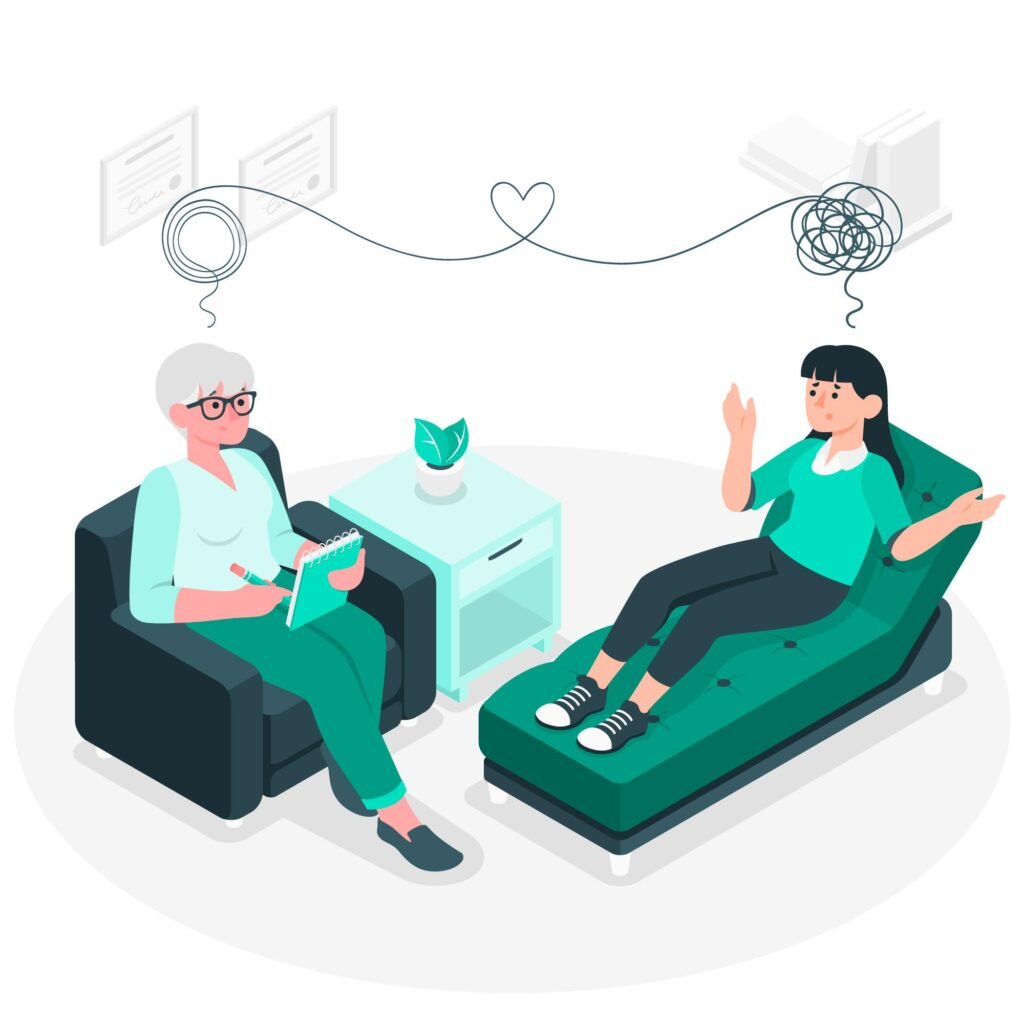
How talk therapy improves mental health is a crucial aspect of counseling. Also known as psychotherapy, talk therapy provides individuals with a safe and supportive environment to express their emotions, process past traumas, and gain clarity on their thoughts.
Advantages:
- Builds self-awareness – Talking to a professional helps individuals recognize unhealthy thought patterns and behaviors that contribute to stress.
- Strengthens coping skills – Therapists teach practical techniques to manage stress, such as problem-solving strategies, relaxation exercises, and emotional regulation methods.
- Helps in managing interpersonal relationships better – Talk therapy enhances communication skills, conflict resolution abilities, and emotional intelligence, leading to healthier relationships.
- Provides emotional support – Engaging in regular therapy sessions reduces feelings of loneliness and isolation, offering a strong support system during difficult times.
Studies indicate that over 75% of people who undergo talk therapy report improved emotional well-being and reduced anxiety symptoms within a few months of consistent sessions.
4. Professional Counseling for Stress Relief: Finding the Right Therapist
Finding the right counselor for mental health is crucial for effective therapy. The right therapist can make a significant difference in an individual’s journey to overcoming stress and anxiety.
What to Look for:
- Qualifications & Experience – Ensure the therapist is licensed and specializes in anxiety and stress management.
- Therapeutic Approach – Choose a therapist whose methods align with your personal preferences, whether it’s CBT, mindfulness-based therapy, or psychodynamic therapy.
- Comfort Level – Establishing a strong rapport with the therapist is essential. You should feel comfortable, understood, and supported during sessions.
- Accessibility & Affordability – Consider factors such as location, session costs, and availability for online or in-person sessions.
Insights & Expert Opinions
The Impact of Counseling on Emotional Resilience and Self-Care
Studies show that individuals undergoing therapy experience significant improvements in emotional resilience and self-care. According to the American Psychological Association (APA), over 75% of individuals receiving therapy report positive benefits in managing stress and anxiety.
Dr. P Madhurima Reddy, a leading psychologist and life coach, states, “Counseling is not just about problem-solving; it’s about empowering individuals to take control of their mental well-being and build resilience.”
Common Mistakes When Seeking Therapy & Best Practices
Mistakes:
- Expecting instant results – Therapy requires time, consistency, and commitment.
- Not being honest with the therapist – Withholding information can limit the effectiveness of counseling.
- Choosing therapy based on cost alone – Finding the right fit is more important than focusing solely on affordability.
Best Practices:
- Commit to regular sessions – Consistency is key to progress.
- Apply learned techniques outside therapy – Practicing skills like mindfulness, journaling, and breathing exercises enhances therapy effectiveness.
- Be open to different therapy modalities – Exploring approaches like CBT, mindfulness, or group therapy can provide varied perspectives and solutions.
Conclusion
Counseling for stress and anxiety is an invaluable tool in today’s fast-paced world. Therapy not only provides relief from immediate distress but also equips individuals with lifelong coping skills. From cognitive behavioral therapy for anxiety to mindfulness-based approaches, professional counseling offers tailored solutions for emotional well-being.
La Winspire, founded by Dr. P Madhurima Reddy, a Peak Performance Trainer, Life and wealth Coach, Psychologist, and Educator, specializes in counseling and training individuals to achieve mental clarity and resilience. With over 26 years of experience, she has been instrumental in transforming lives through therapy and coaching. To explore more, visit La Winspire.
Seeking help is not a sign of weakness but a step toward strength. Prioritize your mental health and embrace the power of counseling today!
Also Read: Emotional Intelligence: The key to personal & Professional Success